The alpine ingredient atlas / Independent dining notes
Taste the mountain through its herbs
A leaf can tell you more than a restaurant ranking. Explore how altitude, season and kitchen craft shape the flavours of the Alps—without assuming that everything on the plate was gathered wild.
Begin with a leaf
Ingredient orientation starts with flavour, not identification. These kitchen notes describe food prepared by knowledgeable suppliers and cooks; they are not instructions for collecting plants.
Fresh / Grassy / AlliumChives: the quiet alpine accent
Finely cut chives bring onion-like freshness to cultured dairy, potatoes and dumplings. The familiar herb is a useful starting point for understanding a menu that also mentions more unusual leaves.
Meet the everyday herbs 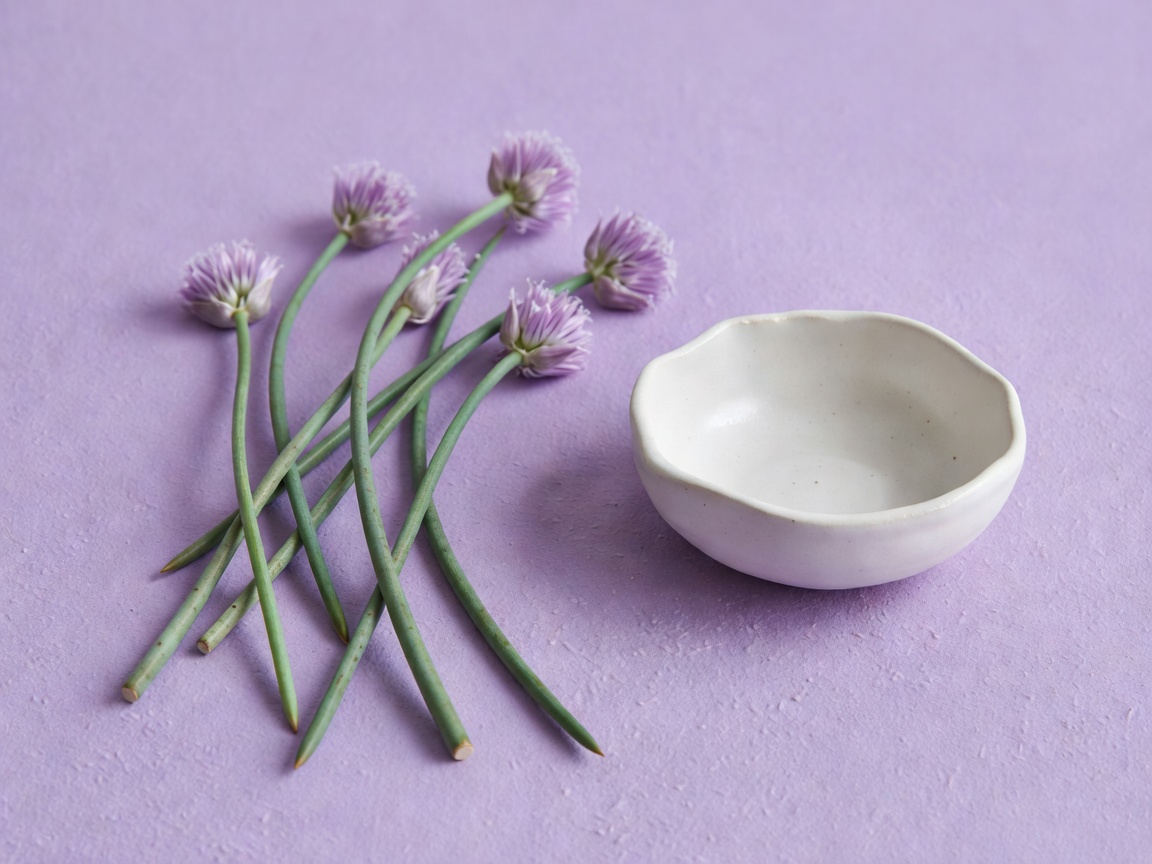
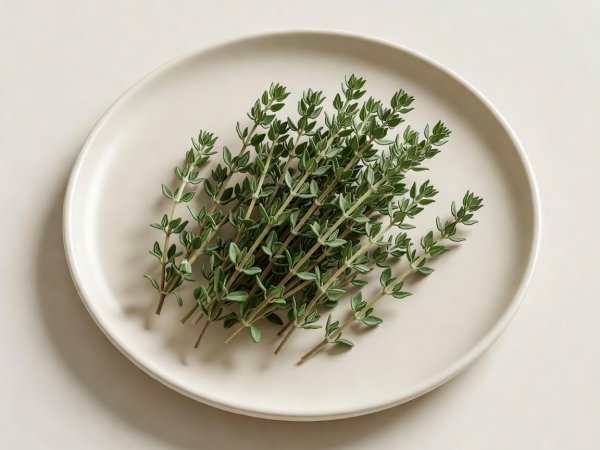
Small leaves, strong direction
Thyme can anchor a broth or carry a warm, resinous note through roasted vegetables.
Read the aromatic family
Altitude on the plate
South Tyrol
A meeting of pantry traditions
Grain, dairy, orchard fruit and vegetables connect mountain kitchens with the valleys below. Italian and German-speaking culinary traditions meet without becoming one uniform cuisine.
Explore the regional contextSavoie & the Swiss Alps
More than cheese country
Fresh herbs can cut through the richness of a cheese-led meal; preserved leaves and vegetable broths offer another way to read the landscape.
Compare valley kitchensA season in small flavours
Fresh is only one part of the calendar
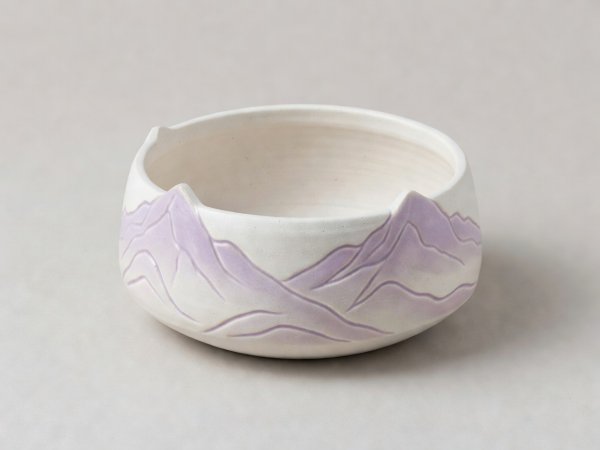
Spring leaves, summer flowers, autumn drying and winter infusions belong to different kitchen rhythms. An ingredient served in January may reflect preservation rather than a January harvest.
Follow a preparation
Choose a season, then look at what the kitchen does with the ingredient.
Open the alpine calendarKitchens that interpret the landscape
Examples, not a league table
From Atelier Moessmer in Bruneck to Schloss Schauenstein in Fürstenau, mountain-region restaurants interpret place through very different cooking styles. Our profiles explain what to look for in their published approach.
Editorial reference date: 6 February 2026. Examples are not live menus, booking information or promises of herb availability.
Read the kitchen notes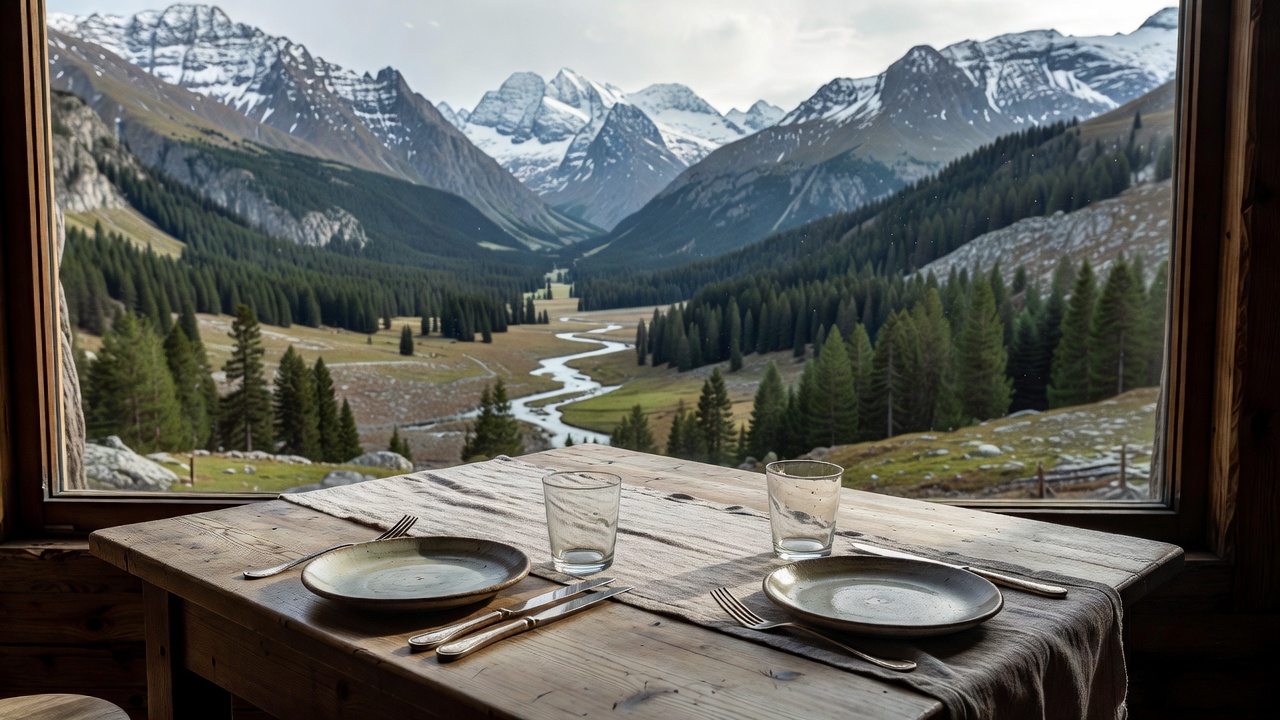
Ask before you taste
What does “local” mean here?
A kitchen garden, a valley grower and a regional wholesaler are different supply routes. Each can be useful; none should be left to romantic guesswork.
Make dietary needs explicit
A green sauce may contain dairy, nuts or other allergens. Tell the restaurant about allergies before you arrive and confirm again with the team.
Leave identification to experts
A dining description is not a field guide. Do not collect or eat unfamiliar plants on the strength of a menu, photograph or common name.
Your next alpine chapter
Learn the language
Leaves, flowers, infusions and origins.
Herb atlasBring better questions
Practical answers before your visit.
Read the FAQ